
Are Stem Cell Treatments a Scam? Dr. Rafael Gonzalez Explains What Patients Should Know
Stem cell therapy has become one of the most talked-about areas of regenerative medicine. But how can patients tell the difference between legitimate science and an expensive product that may not contain what they think they’re paying for?
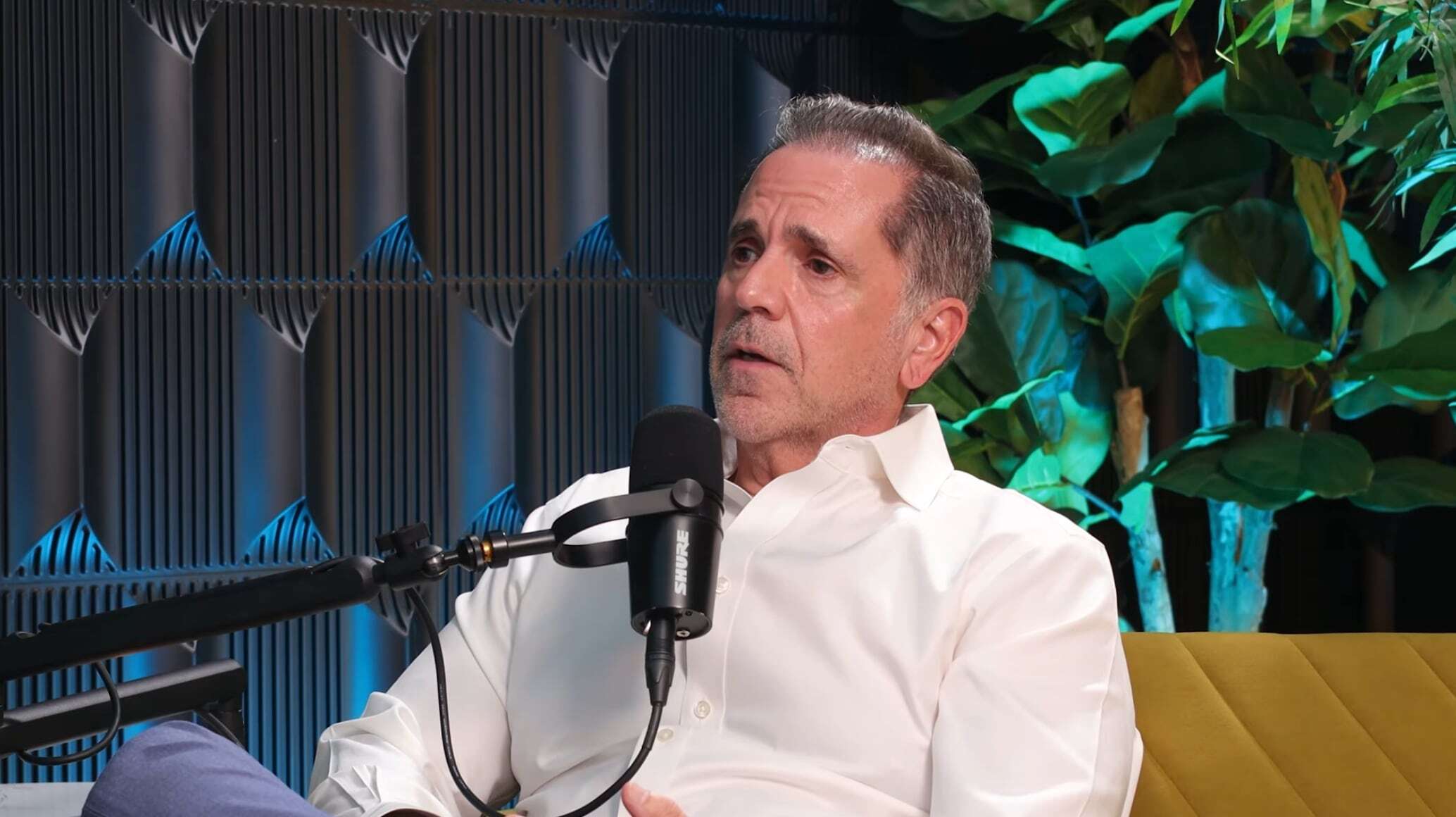
That’s one of the biggest questions raised in a revealing podcast interview with Dr. Rafael Gonzalez, PhD, a regenerative medicine researcher who has spent more than two decades working in cell science.
During the conversation, Dr. Gonzalez discusses something most patients probably never think to ask about:
How many of the stem cells being administered are actually alive?
It’s a simple question, but the answer can tell you a great deal about the quality of a cell-based product.
He also talks about MUSE cells and their questionable manufacturing practices, what happens to stem cells after an IV infusion, and why patients should be cautious when clinics promise results that science hasn’t yet established.
And some of his concerns are supported by recently published research that examined the actual cellular content of commercially available umbilical cord-derived products.
Watch the Full Interview With Dr. Rafael Gonzalez
The full conversation goes well beyond cell viability, but this article focuses on the issues that matter most to someone researching stem cell treatment.
Are Stem Cell Treatments a Scam?
The short answer is that stem cell science is real, but not every product marketed as a stem cell treatment is what it claims to be.
There are legitimate, established medical uses for certain stem cell therapies. There are also experimental treatments being studied for conditions ranging from joint problems to autoimmune diseases.
The trouble starts when the marketing gets ahead of the evidence.
Some clinics make sweeping promises about what stem cells can accomplish. Others may not be able to provide meaningful documentation about the cells they administer, where they came from, how they were processed, or whether they were still alive at the time of treatment.
Early in the interview, Dr. Gonzalez makes a striking claim. He estimates that only about 5% of the stem cell products being marketed are potentially good products.
That’s his professional assessment, not a statistic established by a comprehensive market-wide study. Still, it captures the frustration he expresses about quality control in the industry.
His central concern isn’t that regenerative medicine has no scientific foundation.
It’s that patients may be paying for products that haven’t been adequately characterized or tested.
And that leads to one of the most important topics in the interview.
What Is Stem Cell Viability, and Why Does It Matter?
Imagine being told that you’re receiving 100 million stem cells.
That sounds impressive.
But here’s the question: Are those 100 million living cells, or does that number include cells that are already dead?
Cell viability is the percentage of cells in a sample that are alive when tested.
A product containing 100 million total cells with 90% viability has approximately 90 million living cells. A product with 20% viability has only about 20 million living cells.
That’s an enormous difference.
Dr. Gonzalez explains that, in his experience, viability above 80% is generally a good benchmark for the cell products he’s discussing.
That shouldn’t be mistaken for a universal medical standard. Appropriate release criteria depend on the cell type, manufacturing process, intended use, and relevant regulatory requirements.
But his broader point is worth remembering: a large cell count means very little if nobody can tell you how many of those cells are alive.
And viability is only part of the picture.
A cell can be alive without necessarily having the biological properties required for a particular therapeutic purpose. Researchers also examine identity, purity, potency, sterility, and other characteristics.
In other words, a good product needs more than an impressive number printed on a brochure.
A Published Study Raises Serious Questions About Some Umbilical Cord Products
Dr. Gonzalez’s concerns about cell quality are especially relevant in light of research published in January 2026 in the Journal of Translational Medicine.
The paper, titled “Critical evaluation of compositions and clinical relevance of Wharton’s jelly-derived biologics,” examined an important distinction between products made from umbilical cord tissue and products that actually contain meaningful quantities of living mesenchymal stromal cells, often called MSCs.
Wharton’s jelly is the soft connective tissue found inside the umbilical cord. It contains an extracellular matrix, which provides structural support, and it can also serve as a source of MSCs.
Those are two different things.
A product containing processed Wharton’s jelly tissue is not automatically equivalent to a preparation of isolated, expanded, living MSCs.
The researchers evaluated six commercially available, minimally manipulated Wharton’s jelly products.
Here’s what they found.
Measurement
Reported finding
Total cells
3,369 to 111,170 cells per cubic centimeter
Cell viability
0% to 19.1%
Viable MSC content
Only rare viable MSCs detected
Overall interpretation
The tested products were primarily extracellular matrix preparations, not meaningful sources of living MSCs
Those findings deserve attention.
A patient could hear the words “umbilical cord biologic” or “Wharton’s jelly” and assume they’re receiving a substantial dose of living stem cells.
But that assumption may be incorrect.
The researchers concluded that the products they examined were essentially extracellular matrix preparations with negligible numbers of viable MSCs.
That doesn’t mean extracellular matrix materials have no potential medical uses. They can have distinct structural and biological applications.
It means a tissue-matrix product should not be presented as though it contains a therapeutic dose of living stem cells when testing doesn’t support that claim.
It’s also important to understand the limits of the study. The researchers tested six products in a specific category. Their results do not establish that all umbilical cord products, all stem cell preparations, or 95% of the entire industry have poor viability.
But they do provide a concrete example of why independent testing matters.
Published research: Marleau AM, Pearl JR, Juarez P, et al. Critical evaluation of compositions and clinical relevance of Wharton’s jelly-derived biologics. Journal of Translational Medicine. 2026;24:189.
Read the full peer-reviewed article
One detail worth noting for CPI Stem Cell Podcast readers is that Edward Clay CPI Founder is among the paper’s coauthors.
Why Stem Cell Manufacturing Matters More Than Patients Realize
When the conversation turns to choosing a clinic, Dr. Gonzalez doesn’t start by talking about celebrity patients, testimonials, or how many millions of cells a facility advertises.
He starts with manufacturing.
Who makes the cells?
Where are they produced?
What quality-control systems are in place?
And can the clinic document what happens to the product from the original donor through the final administration?
These are practical questions that patients can ask.
Stem cells are living biological materials. They can be affected by how they’re collected, grown, frozen, transported, thawed, and handled before treatment.
A clinic may have experienced physicians and a beautiful facility, but that doesn’t automatically tell you anything about the quality of the cell product.
Dr. Gonzalez favors facilities with direct manufacturing oversight and strong quality systems. An outside manufacturer can also be appropriate, provided it is properly qualified and the clinic has access to reliable documentation.
The important thing is accountability.
A patient should be able to get clear answers about where the cells came from and what testing was performed.
What Happens to Stem Cells After They’re Thawed?
This is one of the most interesting parts of the interview because it’s easy to overlook.
Stem cells may be stored frozen until they’re needed. Freezing can help preserve biological materials, but thawing starts another critical stage in the process.
Once cells have been thawed, their condition can change over time.
Dr. Gonzalez explains that researchers don’t simply thaw cells and assume they’ll remain healthy indefinitely. They may test viability and whether the cells can continue to grow or retain their expected characteristics at different time points.
During the interview, he describes testing cells at intervals such as one hour, four hours, six hours, and 24 hours.
He also questions claims that certain freshly prepared or thawed cell products can simply sit for 72 hours before being administered.
His concern is that some cells lose viability or function during that period, even when specialized preservation solutions are used.
The exact time window depends on the specific product, formulation, temperature, storage conditions, and validated stability data. There isn’t one expiration rule that applies to every living cell preparation.
But the practical lesson is straightforward.
It’s not enough to know that cells were alive when they left the laboratory. You want to know that the product remains within its validated specifications when it’s administered.
That’s why post-thaw testing and handling procedures matter.
What Are MUSE Stem Cells? And Are They Better?
MUSE cells have attracted growing attention in regenerative medicine.
MUSE stands for Multilineage-differentiating Stress-Enduring cells.
They are a population of cells being investigated for their ability to survive certain stressful conditions and exhibit distinctive biological properties.
That makes them scientifically interesting.
But an interesting cell population and a proven treatment are not the same thing.
During the interview, Dr. Gonzalez discusses MUSE cell products he says were sent to his team for testing. He reports finding very poor viability in all of the products they examined.
He also raises a larger concern: where are the well controlled clinical studies demonstrating the appropriate dose, safety profile, and clinical benefits for a specific condition?
That’s an important distinction.
A product may have an appealing scientific explanation. It may even show promise in early research.
But patients still need evidence that a particular preparation, administered in a particular way, actually helps people with the condition being treated.
Before considering a MUSE cell treatment, ask whether the clinic can provide published human clinical trial data for the exact product and indication being offered. And, always ask about the manufacturing process and proof cell viability.
Where Do Stem Cells Go After an IV Infusion?
Another question comes up during the interview that many patients are probably curious about.
If someone receives stem cells intravenously, where do those cells actually go?
Dr. Gonzalez explains that intravenously administered MSCs commonly encounter the lungs first.
This is often called the pulmonary first-pass effect.
Because MSCs are relatively large compared with many blood cells, a substantial proportion can become temporarily retained in the small blood vessels of the lungs.
That doesn’t automatically mean the cells are ineffective.
Researchers are studying how MSCs may influence biological processes through signaling molecules, interactions with immune cells, and other mechanisms.
Dr. Gonzalez discusses the idea that the cells may communicate with the body rather than simply traveling to a damaged joint or organ and replacing injured tissue.
That’s an important change from how stem cell therapy is sometimes described in advertising.
Patients often imagine stem cells circulating through the bloodstream, finding damaged tissue, and turning into brand-new replacement cells.
The biology is more complicated.
MSC activity may involve immune modulation and the release of signaling factors, including components of the cellular secretome.
Researchers are still investigating which mechanisms matter most for different conditions and how those mechanisms translate into measurable clinical benefits.
And although the interview discusses how long cells might survive, animal findings cannot reliably tell us exactly how long administered MSCs remain alive or active in an individual human patient.
Does a Higher Stem Cell Count Mean Better Results?
Not necessarily.
It’s tempting to compare stem cell treatments by the number of cells advertised.
One clinic offers 50 million. Another offers 100 million. Another offers 200 million.
So the highest number must be the best, right?
Not so fast.
The total cell count is only one part of the equation.
Patients also need to consider whether the cells are viable, whether they’re the intended cell type, how they were manufactured, whether the dose is appropriate for the intended use, and whether clinical evidence supports that approach.
A treatment containing more cells isn’t automatically safer or more effective.
In fact, dosing is one of the questions Dr. Gonzalez emphasizes when discussing the need for proper clinical trials.
Researchers need to establish what dose produces a meaningful response, whether different doses change the outcome, and how frequently a treatment would need to be administered.
Without those answers, an advertised cell count can become more of a marketing tool than a useful measure of treatment quality.
Can Stem Cell Therapy Cure a Disease?
This is where Dr. Gonzalez offers one of the clearest warnings in the conversation.
He pushes back against the idea that stem cells should be marketed as a universal cure.
It’s an important point, especially for patients living with chronic pain, autoimmune conditions, neurological disorders, or other serious health problems.
There are established stem cell-based treatments for certain medical conditions, including some blood and immune disorders. But that doesn’t mean experimental MSC therapies can cure the wide range of diseases for which they’re sometimes advertised.
For many conditions, researchers are still working to determine whether these therapies improve symptoms, function, quality of life, or other measurable outcomes.
A patient testimonial may be sincere and encouraging, but it isn’t the same as a controlled clinical study.
People can improve for many reasons, including other treatments, natural changes in symptoms, rehabilitation, or placebo effects.
That’s why responsible clinics should explain both the potential benefits and the uncertainties.
Patients deserve hope, but they also deserve realistic expectations.
Five Questions to Ask Before Choosing a Stem Cell Clinic
If you’re researching stem cell treatment, these questions can help you have a more informed conversation with a clinic.
1
Who manufactures your stem cells?
Ask where the cells are sourced, processed, and prepared. If the clinic uses an outside laboratory, ask who oversees quality control.
2
What is the viable cell count?
Don’t stop at the total cell count. Ask how many living cells are expected in the final administered product and how that number is verified.
3
What testing is performed before treatment?
Ask about cell identity, viability, sterility, potency, and other product-specific release criteria. Find out whether the clinic can provide documentation.
4
How are the cells stored, thawed, and transported?
Ask whether the facility follows validated handling procedures and how long the cells can be used after thawing.
5
What published clinical evidence supports this treatment for my condition?
Look for studies involving the relevant cell type, route of administration, dose, and medical condition. Ask about risks, alternatives, regulatory status, and what outcomes are realistically expected.
A reputable provider should welcome thoughtful questions.
If a clinic relies entirely on testimonials, promises guaranteed results, or can’t explain what is actually in its product, those are reasons to investigate further.
Frequently Asked Questions About Stem Cell Treatments
Yes. Stem cell science has established medical applications, and researchers are studying additional uses. However, many treatments marketed for joint pain, autoimmune diseases, anti-aging, and other conditions remain experimental. The evidence and regulatory status vary by treatment and location.
Laboratories use viability assays to estimate the proportion of living cells in a sample. Patients can ask whether the manufacturer performs viability testing and whether results are available for the product being administered.
Dr. Gonzalez describes viability above 80% as a good benchmark for the products discussed in the interview. However, there is no single universal threshold for every cell therapy. Product-specific standards and functional testing are also important.
Yes. Umbilical cord tissue can be a source of mesenchymal stromal cells. But a processed umbilical cord tissue product does not necessarily contain a meaningful number of living MSCs. The manufacturing process and final product testing make a major difference.
Researchers tested six commercially available, minimally manipulated Wharton’s jelly products and reported cell viability ranging from 0% to 19.1%, with very few viable MSCs. The study examined this specific product category, not every type of stem cell therapy.
MUSE cells are Multilineage-differentiating Stress-Enduring cells being studied for their biological properties and potential regenerative applications. Whether a particular MUSE cell treatment is safe and effective for a medical condition requires appropriate clinical evidence.
Some cells can lose viability or function after thawing. The rate depends on the cell type, preservation solution, temperature, handling, and elapsed time. Manufacturers should establish validated storage and administration windows.
Intravenously administered MSCs commonly undergo a pulmonary first-pass effect, meaning many are initially retained in the lungs. Their subsequent distribution, survival, and biological effects depend on several factors and remain areas of active research.
No. Cell count alone does not establish quality, safety, or effectiveness. Cell viability, identity, potency, appropriate dosing, and evidence for the specific condition all matter.
Stem cell-based treatments are being investigated for several orthopedic and immune-related conditions, but many applications remain experimental. Patients should be cautious of claims promising a cure or guaranteed recovery.
One major warning sign is an inability to provide clear information about the product being administered. That includes its manufacturer, cell identity, viable cell count, quality testing, and clinical evidence. Guaranteed cures and pressure to pay quickly are additional concerns.
The Bottom Line: Ask Better Questions Before Getting Stem Cells
One of the most valuable things about Dr. Gonzalez’s interview is that it shifts the conversation away from marketing claims and toward the science.
Instead of asking which clinic offers the most cells, patients should be asking how those cells were manufactured, how many are alive, whether they’ve been properly tested, and what evidence supports using them for a particular condition.
The 2026 Wharton’s jelly study illustrates why these questions matter. Some biological products may contain useful tissue components while having very few living MSCs. Those products shouldn’t be confused with carefully manufactured living-cell preparations.
Regenerative medicine continues to develop, and there are good reasons to follow the research closely.
But the promise of the field shouldn’t replace the need for transparency.
Before making a decision about treatment, take the time to understand exactly what you’re being offered.
Because when it comes to stem cells, what’s actually inside the product matters far more than the number on the label.
Have questions about a stem cell product you’re considering?
The CPI team can walk you through what to ask, what to look for, and whether a treatment is a good fit for your situation.
Watch the Full Podcast
Want to hear Dr. Rafael Gonzalez explain these issues in his own words?
Watch the full episode, STEM CELLS: MIRACLE OR MYTH? A TOP DOCTOR TELLS ALL, and explore more interviews and regenerative medicine discussions at CPI Stem Cell Podcast.
References
1. Marleau AM, Pearl JR, Juarez P, et al. Critical evaluation of compositions and clinical relevance of Wharton’s jelly-derived biologics. Journal of Translational Medicine. 2026;24:189. https://doi.org/10.1186/s12967-025-07612-x
2. STEM CELLS: MIRACLE OR MYTH? A TOP DOCTOR TELLS ALL. Podcast interview featuring Dr. Rafael Gonzalez, PhD. https://www.youtube.com/watch?v=GTH-hzEbtlo
Medical disclaimer: This article is for educational purposes only and does not constitute medical advice. The statements made during the podcast represent the interview guest’s views unless otherwise supported by cited research. Cell therapies vary in their evidence, safety, and regulatory status. Consult a qualified healthcare professional before making treatment decisions.


